

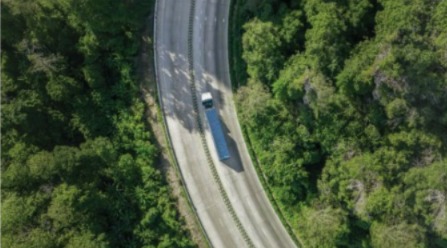


With nearly half a century of experience, Boltas, a well-established brand in the logistics sector, is meeting sustainability standards in a world where environmental impacts are constantly increasing, through its steps in “green logistics.” To this end, the company regularly reports on its carbon footprint every year and manages all improvements based on data, while also supporting the use of EURO 6 engine vehicles to reduce emissions from transportation.
With the goal of providing end-to-end solutions to its customers, Boltas, which has been bringing firsts and innovations to the logistics sector for nearly 50 years, also embraces the concept of green logistics to contribute to a more sustainable world. Placing the concept of green logistics at the heart of all its operations to reduce environmental impact, the company also implements a Zero Waste Management System in its office and warehouse processes, separating recyclable waste. Preparing for a sustainable future with this approach, Boltas aims to lead the transformation of the sector by focusing its future investments on solar-powered facilities and digitalization-oriented projects.
The green logistics concept is at the heart of all operations.
Stating that sustainability is positioned for them not only as an environmental necessity but also as a strategic element that strengthens competitive advantage, operational efficiency and corporate reputation, Boltas Chairman Ulaş Çobanoğlu said, “Green logistics, which includes business practices that minimize the environmental impact of the logistics network and delivery, has become a more important concept today.

Since companies in our sector have also adopted this, we are encountering many examples of its application. At Boltas, we have placed the concept of green logistics at the heart of all our operations. To this end, we regularly report on our carbon footprint every year, manage all improvements aimed at emission reduction in a data-driven manner, and reduce transportation-related emissions by supporting the use of EURO 6 engine vehicles. In this regard, the fact that we received the Green Logistics Authorization Certificate from the Ministry of Transport and Infrastructure of the Republic of Turkey in 2023 confirms our commitment to sustainable transportation.”
The future is being shaped with solar-powered facilities and digitalization-focused projects
Stating that they have adopted a multifaceted approach to managing carbon and environmental impacts, Çobanoğlu explained the measures taken as follows: “Thanks to the use of EURO 5/6 engines, we prefer lower emission engines in our vehicles. On the intermodal activity side, we reduce carbon emissions by reducing fuel and energy consumption. In addition, with our Zero Waste Management policy, we separate waste according to its type and send recyclable waste to relevant facilities. In terms of energy saving, we have energy-saving practices in the lighting and equipment usage in our offices and warehouses. In terms of embracing digital transformation, we have significantly reduced paper usage by digitizing processes that require paperwork. Our customers’ shift towards low-carbon solutions in their supply chains demonstrates that sustainable practices are now becoming standard in the logistics sector. At Boltas, to further advance our current measures, we aim to lead the transformation of the sector by focusing our future investments on solar-powered facilities and digitalization-oriented projects. At the same time, as a differentiating step in the sector, we aim to reduce our environmental impact and strengthen our sustainable logistics practices by working with a business partner that has vessels equipped with hybrid engine technology in Ro-Ro transport.”
